Creating Safer and More Reliable ESD Workspaces for Modern Electronics
Electrostatic discharge can create serious problems in environments where sensitive electronic components are assembled, tested, repaired, or inspected. Even a small static charge that is not noticeable to a person can damage delicate electronic parts and affect their long-term reliability. For this reason, businesses working with electronic equipment need carefully designed work areas that provide effective static control. Choosing suitable anti static benches and ESD Work Benches can help create a controlled workspace where sensitive components can be handled with greater confidence. A properly designed bench is more than a simple working surface because it forms an important part of an overall electrostatic discharge protection strategy.
Modern electronics manufacturing and repair environments often involve components that can be highly sensitive to electrostatic discharge. Integrated circuits, circuit boards, sensors, processors, and other electronic assemblies may be damaged by static electricity even when the damage is not immediately visible. In some cases, a component may continue operating after exposure but develop a hidden weakness that causes failure later. This can result in increased returns, maintenance requirements, production delays, and reduced customer confidence. Establishing an appropriate ESD-controlled workspace helps reduce these risks while supporting consistent handling procedures.
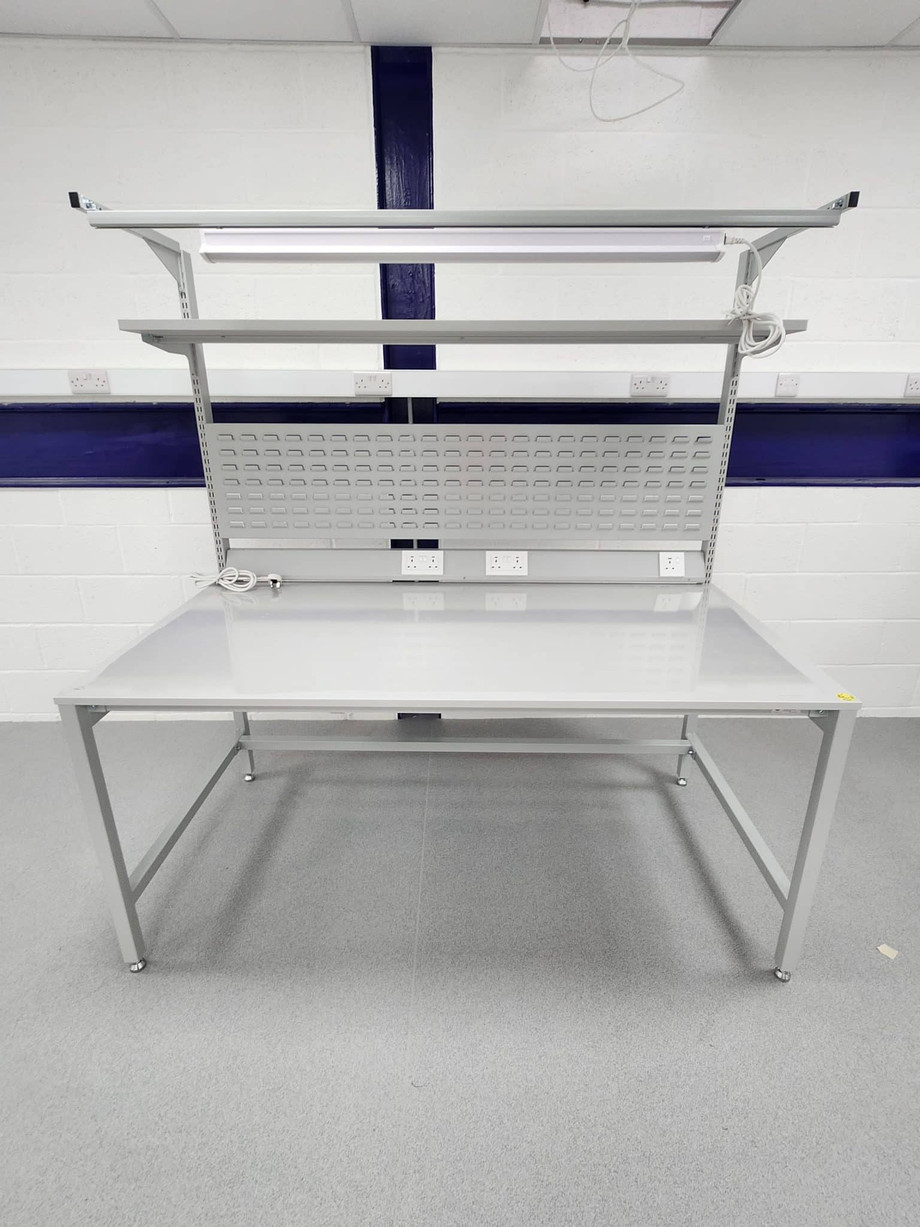
A well-designed ESD workstation provides a controlled area where static charges can be safely managed. The working surface is normally made with materials designed to dissipate static electricity rather than allowing charge to accumulate. This is particularly important when workers handle exposed electronic components. Ordinary desks or untreated work surfaces may generate or retain static charges through movement, friction, packaging materials, clothing, or other everyday activities. An ESD-focused workbench is designed to work as part of a broader grounding system, helping direct unwanted electrical charges away from sensitive equipment.
The design of the working surface is one of the most important considerations when establishing a static-safe workspace. A suitable surface should provide durability while also supporting controlled dissipation. It should be easy to clean and capable of handling the normal demands of the working environment. Depending on the application, businesses may also require adjustable height, integrated storage, shelving, lighting, equipment mounting options, or other workstation accessories. These features can improve usability without compromising the main purpose of the workstation.
Ergonomics also plays an important role in workstation selection. Electronics technicians and assembly workers may spend many hours at their benches, so an uncomfortable workspace can contribute to fatigue and reduced concentration. An appropriately designed workstation can allow equipment, tools, components, and documentation to be positioned conveniently. Adjustable features can help accommodate different users and working positions. When static protection and ergonomic design are considered together, businesses can create work areas that support both equipment safety and employee productivity.
Grounding is another essential part of an effective ESD workstation. The bench itself cannot provide complete protection unless it is correctly integrated with suitable grounding and other ESD-control procedures. Personnel grounding, appropriate footwear, conductive or dissipative flooring, storage systems, and safe handling practices can all contribute to a comprehensive static-control environment. Staff should also understand why ESD procedures are necessary and how everyday actions can affect sensitive components.
Regular inspection and maintenance are equally important. Even a high-quality workstation can become less effective if its surface, grounding connections, or related equipment are neglected. Work areas should be kept clean and inspected according to the organisation's ESD procedures. Any damaged surface, loose connection, or worn component should be addressed promptly. Consistent maintenance helps ensure that the workstation continues to perform as intended and supports a reliable production or repair environment.
Different industries can benefit from controlled ESD workstations. Electronics manufacturing is an obvious example, but research laboratories, telecommunications facilities, aerospace electronics, medical equipment production, educational laboratories, and specialist repair centres may also need effective static protection. Each environment can have different requirements based on the type of components being handled, the available space, the workflow, and the level of ESD sensitivity involved. Selecting a workstation that matches the application can therefore be more effective than simply choosing a standard desk and attempting to add protective measures later.
Workspace organisation should also be considered when planning an ESD-controlled area. Tools and components should have designated locations so that unnecessary movement is reduced. Storage systems designed for ESD environments can help keep sensitive parts protected when they are not being actively handled. Clear working areas also make it easier for employees to follow established procedures. A well-organised bench can improve workflow while reducing the likelihood of accidental contact with unsuitable materials.
For businesses looking to establish dependable electronics work areas, antistaticesd.co.uk provides a useful starting point for exploring workstation solutions designed around electrostatic discharge control. The right workstation can support safer component handling, better organisation, and more consistent working practices. Businesses should consider the type of work being performed, available floor space, expected workload, ergonomic requirements, and the wider ESD protection measures already in place before selecting a suitable solution.
As electronics become increasingly sophisticated, protecting sensitive components from electrostatic discharge remains an important operational priority. Investing in properly designed anti static benches and ESD Work Benches can help organisations create controlled work environments that support component protection and efficient day-to-day operations. When combined with correct grounding, employee training, regular inspection, and suitable ESD procedures, a dedicated workstation becomes an important part of a complete static-control programme. Careful planning at the workstation level can ultimately contribute to more dependable products, smoother workflows, and a stronger approach to quality management.


Comments
Post a Comment